Walking into a pharmacy isn't just about picking up a prescription. It’s about trust, care, and knowing there’s someone who truly understands your health needs. A full-service pharmacy goes beyond just dispensing medications-it becomes a vital part of the community’s well-being.
More Than Just Medications: What Full-Service Means
When most people think of a pharmacy, the first thing that comes to mind is filling prescriptions. But a full-service pharmacy offers so much more. It’s a place where health advice, personalized care, and community support come together under one roof.
Personalized Medication Management
Every person’s health is unique, and so are their medication needs. A full-service pharmacy provides personalized medication management, ensuring that each patient understands how to take their medications safely and effectively. Pharmacists review prescriptions for potential interactions, side effects, and dosage accuracy. This attention to detail helps prevent complications and promotes better health outcomes.
For those managing chronic conditions like diabetes or hypertension, pharmacists often offer medication synchronization. This means coordinating refill dates so patients can pick up all their medications at once, reducing trips to the pharmacy and making adherence easier. Additionally, pharmacists may provide counseling on lifestyle changes, such as diet and exercise, that can enhance the effectiveness of the medications being taken.
Health Screenings and Preventive Care
Many full-service pharmacies offer health screenings for blood pressure, cholesterol, blood sugar, and more. These quick, convenient tests can catch potential health issues early, often before symptoms appear. Early detection is key to effective treatment and better long-term health.
Vaccinations are another critical service. From flu shots to travel vaccines, pharmacies provide accessible immunizations that protect individuals and the wider community. Pharmacists are trained to administer vaccines safely and can answer questions about vaccine schedules and side effects. Furthermore, some pharmacies even offer educational workshops on the importance of vaccinations and how they contribute to herd immunity, empowering patients to make informed health choices.
In addition to screenings and vaccinations, many full-service pharmacies also provide wellness programs that focus on holistic health. These programs may include nutritional counseling, smoking cessation support, and weight management resources. By addressing various aspects of health and wellness, Corpus Memorial Pharmacy plays a vital role in fostering healthier communities and encouraging individuals to take proactive steps toward their well-being. To learn more about their services, visit Corpus Memorial Pharmacy website today.
Building Relationships That Matter
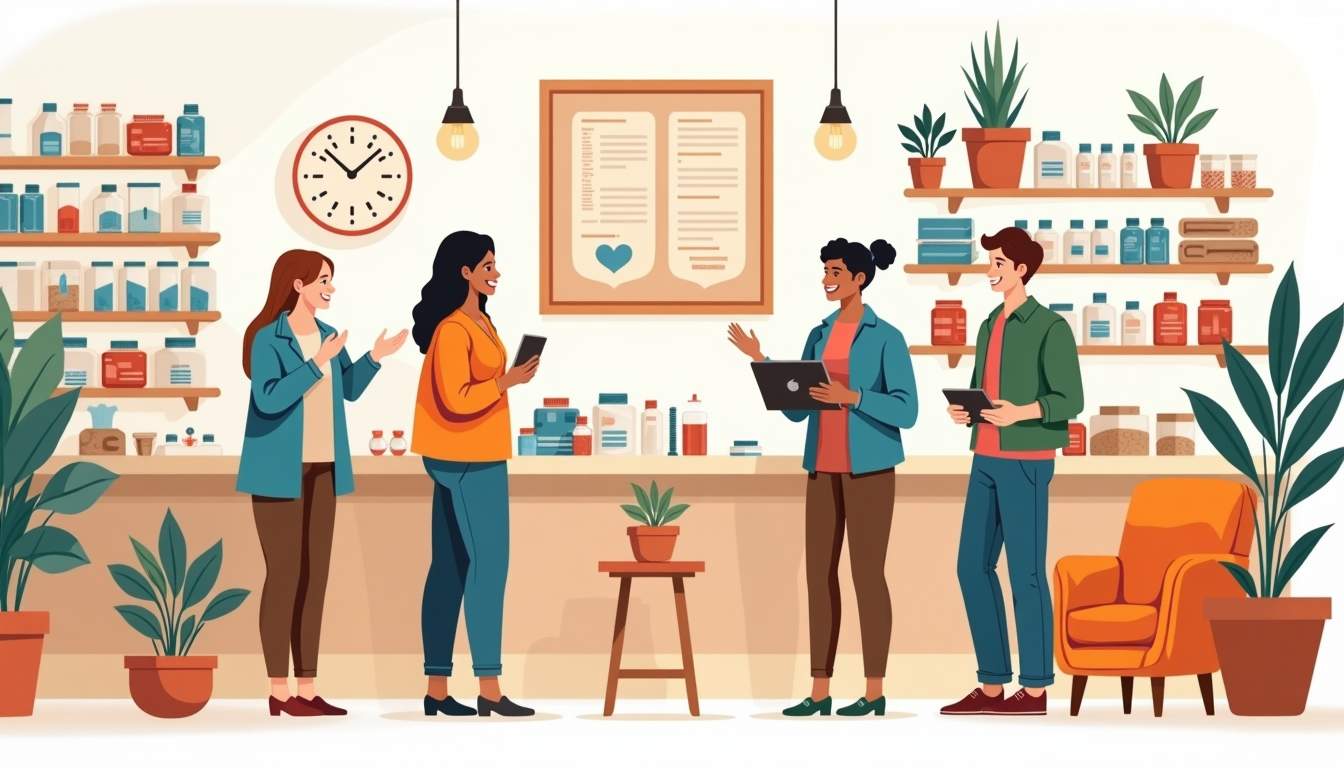
What sets a full-service pharmacy apart is the relationship it builds with its community. Pharmacists are more than just medication experts—they’re health advocates who listen, educate, and support.
Accessible Health Advice
Sometimes, a quick chat with a pharmacist can prevent a trip to the doctor’s office. Whether it’s advice on managing cold symptoms, understanding over-the-counter options, or guidance on lifestyle changes, pharmacists provide accessible, reliable information. This immediate support can ease worries and empower individuals to take charge of their health.
In addition to addressing common ailments, pharmacists can also offer insights into preventive care. They can discuss the importance of vaccinations, provide information on managing chronic conditions like diabetes or hypertension, and even suggest dietary adjustments that can lead to better health outcomes. This proactive approach not only helps individuals feel more informed but also fosters a culture of wellness within the community.
Support for Special Populations
Communities are diverse, and so are their health needs. A full-service pharmacy often tailors its services to meet the unique needs of seniors, children, and those with disabilities. For example, they may offer pill packaging solutions for seniors who take multiple medications or provide counseling for parents on pediatric medication safety.
Many pharmacies also collaborate with local healthcare providers to coordinate care for patients with complex medical conditions. This teamwork ensures everyone is on the same page, reducing errors and improving health outcomes. Furthermore, pharmacists often engage in health screenings and educational workshops tailored to specific demographics, such as prenatal care for expectant mothers or nutrition classes for families. By actively participating in community health initiatives, pharmacies not only enhance their role as healthcare providers but also strengthen the bonds within the community, promoting a collective approach to health and well-being.
Convenience Without Compromise
Life is busy, and managing health can sometimes feel overwhelming. Full-service pharmacies recognize this and strive to make healthcare as convenient as possible without sacrificing quality.

Flexible Prescription Services
From online prescription refills to home delivery, pharmacies are adapting to meet modern needs. Patients can request refills through websites or apps, saving time and avoiding long waits. For those who can’t make it to the pharmacy, delivery services bring medications right to their door.
Some pharmacies also offer drive-thru windows, allowing patients to pick up medications without leaving their cars. This is especially helpful for parents with young children or individuals with mobility challenges. Additionally, many pharmacies are now integrating medication synchronization programs, which align refill dates for multiple prescriptions, further simplifying the process for patients managing chronic conditions. This not only reduces the number of trips to the pharmacy but also helps ensure that patients remain adherent to their medication regimens.
Extended Hours and Emergency Support
Health issues don’t always follow a 9-to-5 schedule. Many full-service pharmacies offer extended hours, including evenings and weekends, so patients can access care when they need it most. Pharmacists are often available to answer urgent questions or provide advice during these times.
In emergencies, having a trusted pharmacy nearby can make a significant difference. Whether it’s a sudden allergic reaction or a last-minute prescription, full-service pharmacies are prepared to step in and provide timely assistance. Furthermore, some pharmacies have begun to offer urgent care services, allowing patients to receive minor medical treatment and consultations right on-site. This evolution not only enhances the role of the pharmacy in the community but also provides a vital resource for those who may not have immediate access to a physician, ensuring that healthcare remains accessible and responsive to the needs of the public.
Community Engagement and Education
A pharmacy dedicated to its community goes beyond individual patient care. It plays an active role in promoting health education and supporting local initiatives.
Health Workshops and Seminars
Many pharmacies host regular workshops on topics like nutrition, smoking cessation, managing chronic diseases, and mental health awareness. These sessions provide valuable information and create a space for people to ask questions and share experiences.
By educating the community, pharmacies help prevent illness and encourage healthier lifestyles. This proactive approach benefits everyone and strengthens community bonds. In addition to traditional topics, some pharmacies are beginning to incorporate innovative subjects such as the impact of stress on physical health and the benefits of mindfulness practices. These workshops not only empower attendees with knowledge but also foster a sense of camaraderie as participants engage in discussions and support one another in their health journeys.
Partnerships with Local Organizations
Full-service pharmacies often partner with schools, senior centers, and non-profits to reach more people with health services. For example, they might organize vaccination drives at local schools or provide free health screenings at community events.
These collaborations extend the pharmacy’s impact beyond its walls and demonstrate a genuine commitment to community well-being. Furthermore, by aligning with local organizations, pharmacies can tailor their outreach efforts to address specific community needs, such as providing resources for low-income families or offering specialized services for the elderly. This not only enhances the pharmacy's role as a healthcare provider but also positions it as a vital resource in the community, where trust and accessibility are paramount. Engaging in these partnerships allows pharmacies to leverage shared knowledge and resources, ultimately leading to a healthier, more informed population.
Technology Enhancing Personalized Care
Technology has transformed how pharmacies operate, making personalized care more efficient and accessible.
Electronic Health Records Integration
Many full-service pharmacies use electronic health records (EHR) systems that allow pharmacists to access a patient’s medical history, allergies, and previous medications. This integration helps avoid dangerous drug interactions and ensures prescriptions are tailored to the individual’s health profile. Moreover, the data collected through EHRs can be utilized for population health management, enabling pharmacies to identify trends in medication usage and health outcomes within specific demographics. This capability not only enhances individual patient care but also contributes to broader public health initiatives by allowing pharmacies to participate in research and data analysis.
Mobile Apps and Digital Tools
Pharmacy apps enable patients to manage their medications, set reminders, and communicate with pharmacists easily. These tools help improve adherence and keep patients informed about their health. In addition to medication management, many of these apps feature educational resources that provide patients with information about their conditions, treatment options, and lifestyle changes that can enhance their overall well-being. This empowers patients to take an active role in their health care, fostering a sense of ownership over their treatment plans.
Some pharmacies also offer telepharmacy services, where patients can consult with pharmacists via video calls. This expands access to expert advice, especially for those in remote areas or with transportation challenges. Telepharmacy not only facilitates convenient consultations but also allows for follow-up discussions regarding medication side effects or adjustments in therapy. As a result, patients can receive continuous support and guidance, which is crucial for managing chronic conditions and ensuring optimal health outcomes.
Why Choosing a Full-Service Pharmacy Matters
Opting for a full-service pharmacy means choosing more than just a place to pick up medications. It means selecting a partner in health who understands the importance of personalized care, convenience, and community support.
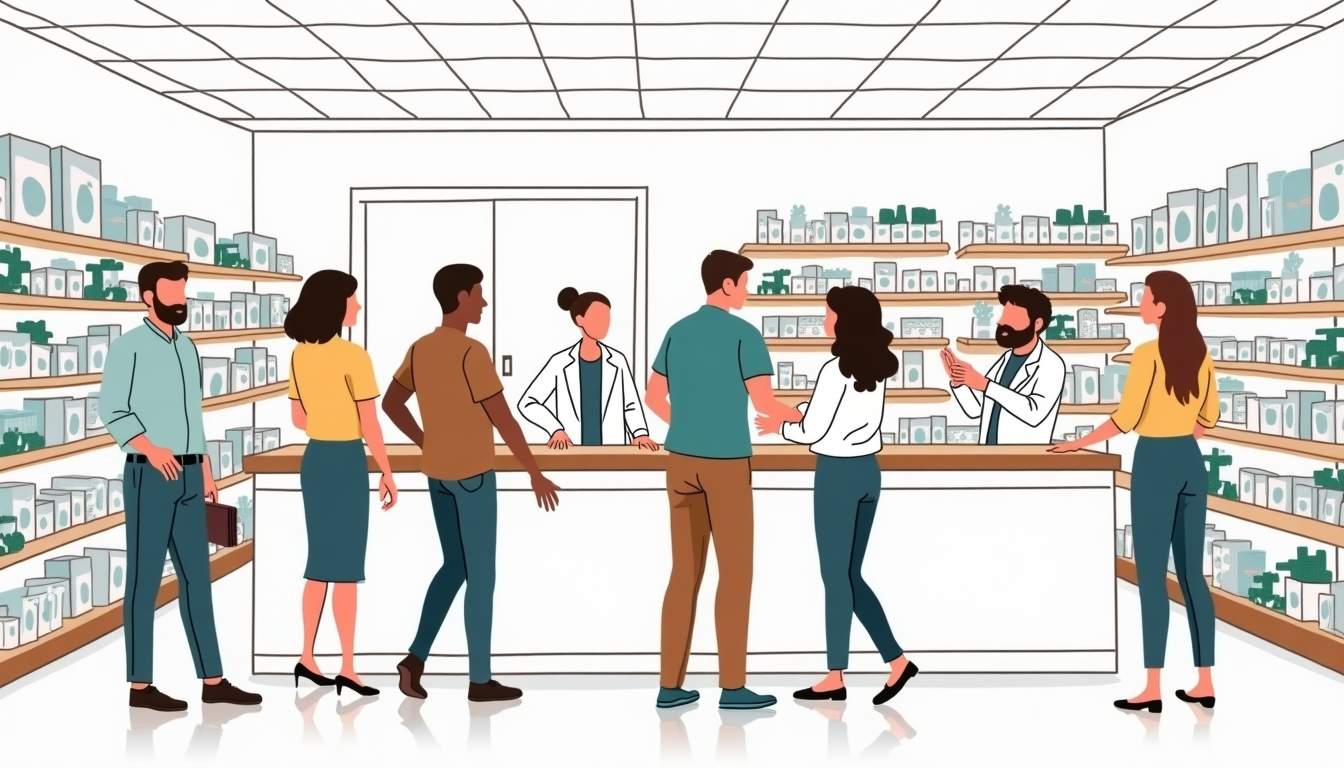
These pharmacies invest in building relationships, educating patients, and adapting to their needs. They become trusted health hubs where people feel heard, cared for, and empowered to manage their health effectively.
In a world where healthcare can sometimes feel impersonal and rushed, a full-service pharmacy stands out by putting people first. It’s not just about dispensing drugs-it’s about dispensing care, knowledge, and hope.